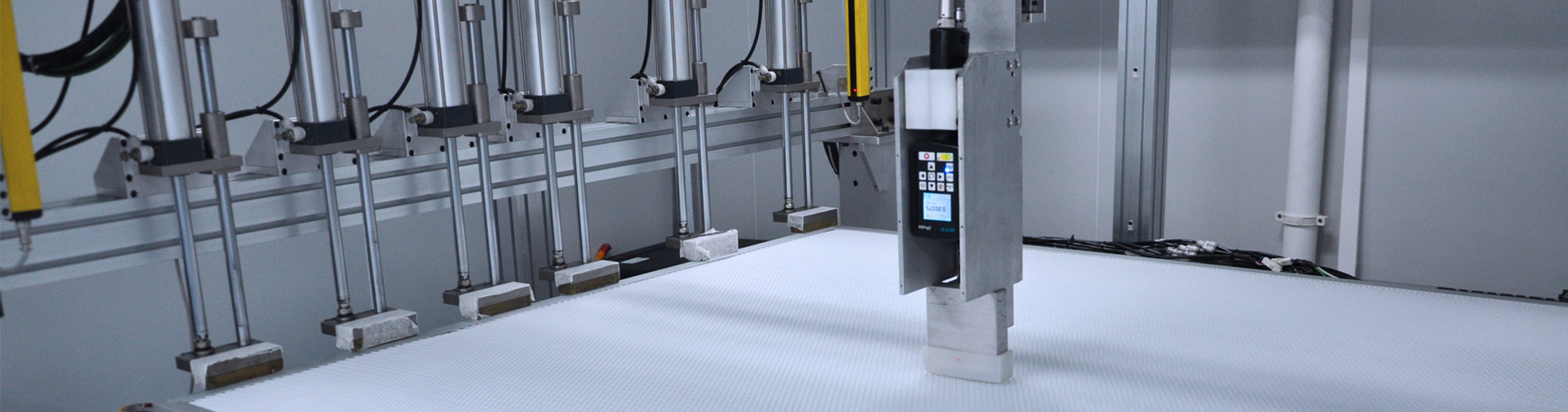
Dans les environnements hautement contrôlés des salles blanches médicales et de la production pharmaceutique, même la plus petite particule ou le plus petit microbe peut compromettre l'intégrité du produit. Pour lutter contre ce problème, boîte de passage (ou boîte de passage) sert de sas critique pour les matériaux, assurant des transitions fluides entre les zones de propreté différente sans risque de contamination croisée. En intégrant des technologies avancées verrouillage électronique systèmes et puissants lumière UV Grâce à la technologie, les sas de transfert modernes jouent un rôle essentiel, bien que méconnu, dans la conformité aux BPF (Bonnes Pratiques de Fabrication).
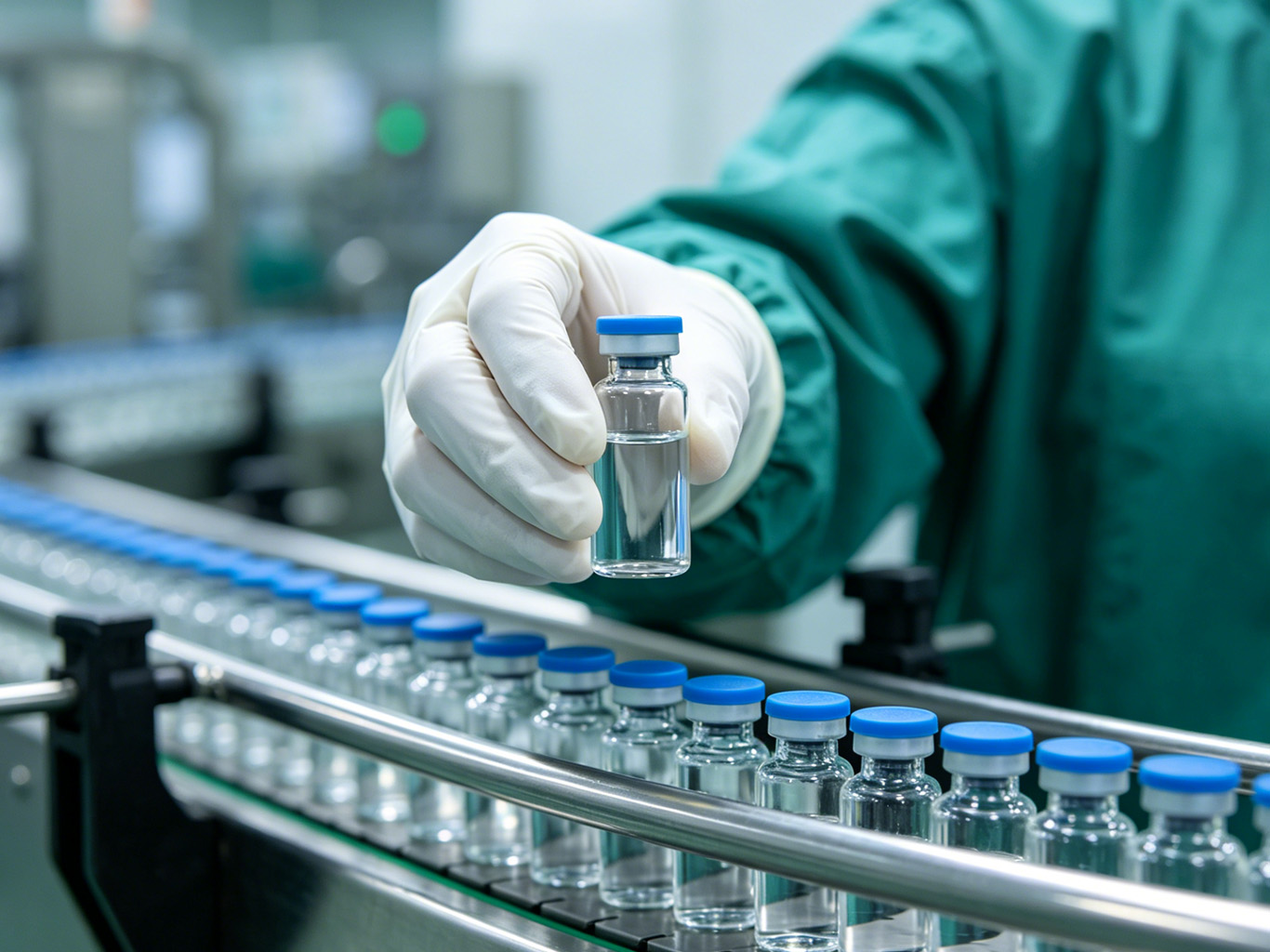
Verrouillage électronique : garantir la discipline à l’entrée
La fonction principale d'un sas de transfert est de maintenir la cascade de pression entre les salles blanches. Conformément aux normes BPF, le différentiel de pression entre les salles doit être strictement contrôlé (généralement 10-15 Pa) afin de garantir la circulation de l'air de la zone la plus propre vers la zone la moins propre, et ainsi éviter toute contamination croisée. Le système de verrouillage électronique assure le respect de cette règle.
• Fonctionnement séquentiel garantiLe principe fondamental de système d'interverrouillage C'est simple : les deux portes ne peuvent pas être ouvertes simultanément. « un qui entre, un qui sort » Le protocole oblige les utilisateurs à fermer et verrouiller la première porte avant d'ouvrir la seconde. Cette logique mécanique simple empêche une rupture catastrophique de l'enveloppe pressurisée de la salle blanche.
• Contrôle dynamique de la pressionLes points de transfert à haute fréquence nécessitent un système à réaction instantanée. boîte de transfert dynamique utilise des capteurs et des verrous à action rapide pour gérer le flux d'air. En assurant le Le système reste stable pendant les transferts, le verrouillage protège l'intégrité de l'ensemble de l'installation, empêchant les contaminants d'entrer et maintenant l'air stérile à l'intérieur.
Stérilisation aux ultraviolets : le stérilisateur invisible
Tandis que le sas assure le confinement physique, le système UV se charge de la décontamination biologique. Les surfaces des matériaux entrants sont souvent les principaux vecteurs de bactéries et de virus. La lumière UV à l'intérieur du sas de transfert neutralise ces agents pathogènes avant qu'ils ne pénètrent dans la zone critique.
• Perturbation de l'ADN pour une destruction totale: Le lumière UV L'appareil émet un rayonnement ultraviolet à courte longueur d'onde qui pénètre les micro-organismes et détruit leur ADN/ARN. Ce procédé, appelé irradiation germicide ultraviolette, stérilise efficacement les surfaces des outils, des emballages et des équipements placés dans la chambre. C'est une méthode sans contact et sans produits chimiques qui garantit la stérilisation des objets introduits dans l'appareil. salle stérile sont exemptes de vie microbienne.
• Sécurité et automatisationPour protéger le personnel, la fonction UV est intégrée au système de verrouillage. Si l'une des portes est ouverte pendant un cycle de désinfection, la lumière s'éteint immédiatement. Ce dispositif de sécurité permet de « Programmer et oublier » opération, où les utilisateurs peuvent placer des objets à l'intérieur, fermer la porte, activer le lumière UVet revenir plus tard pour trouver des matériaux entièrement désinfectés, prêts à être utilisés dans le salle blanche.
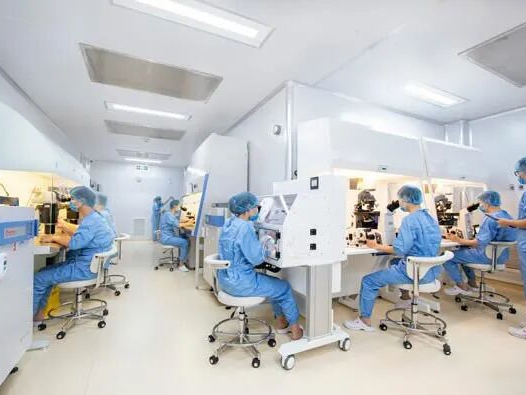
Construction en acier inoxydable : La toile idéale
L'efficacité du système de verrouillage et de la lumière UV dépend d'un environnement facile à nettoyer et résistant à la corrosion. C'est pourquoi boîtes de passage en acier inoxydable sont la norme dans l'industrie.
• Surfaces lisses, aucune zone cachéeL'acier inoxydable offre une surface non poreuse et réfléchissante qui ne libère pas de particules. Contrairement aux surfaces peintes ou en plastique, il résiste aux désinfectants chimiques agressifs et à une exposition répétée à lumière UV sans dégrader.
• Durabilité et hygièneLa construction robuste d'un boîte de passage en acier inoxydable assure une longue durée de vie dans les zones à fort passage. Sa résistance à la rouille et à la corrosion par piqûres en fait le matériau idéal pour maintenir la barrière hygiénique requise dans les milieux pharmaceutiques et médicaux, contribuant ainsi à l'objectif global de contrôle de la pression en salle blanche.
En combinant la logique de sécurité des interverrouillages électroniques avec le pouvoir germicide de la lumière UV, le sas de transfert devient un outil indispensable pour maintenir un environnement de laboratoire stérile et conforme.



 Réseau IPv6 pris en charge