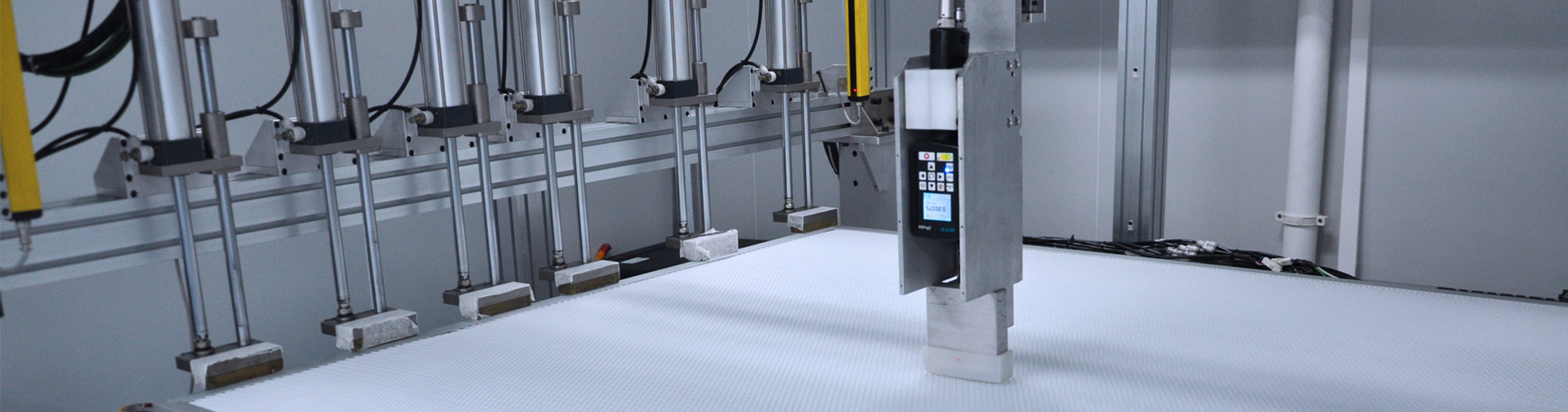
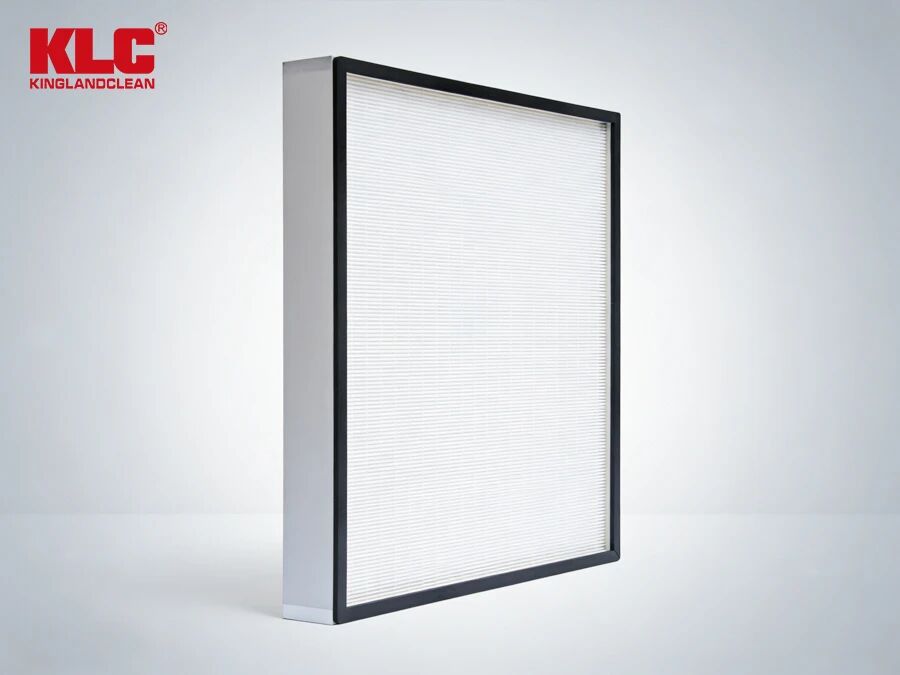
Dans la construction et l'entretien de salles blanches, de salles d'opération ou d'ateliers d'électronique de précision, filtres à haute efficacité (HEPA/ULPA) Les filtres sont sans aucun doute essentiels à notre existence. Ils sont coûteux, souvent plusieurs milliers, voire des dizaines de milliers de yuans pièce, et constituent le dernier rempart contre les agressions extérieures. Pourtant, de nombreux responsables se concentrent uniquement sur l'installation et le remplacement des filtres, négligeant leur état avant leur mise en service : le stockage.
Empiler sans précaution des filtres haute efficacité coûteux dans les recoins d'entrepôts humides et froids revient à les condamner avant même leur utilisation. Cela entraîne non seulement l'apparition d'humidité et de moisissures dans le média filtrant et le vieillissement des joints, mais aussi des risques de fuites après installation, causant d'importantes pertes économiques et des dangers pour la sécurité. Aujourd'hui, nous allons aborder deux des aspects les plus critiques et pourtant les plus négligés du stockage des filtres HEPA : humidité-preuveconditionnement et un placement vertical.
I. Emballage étanche à l'humidité : la « cloche dorée » qui protège l'élément filtrant
Le matériau filtrant central d'un filtre HEPA est généralement papier en fibre de verre ultra-finCe matériau est extrêmement hygroscopique. Une fois humide, non seulement son efficacité de filtration chute drastiquement, mais, plus inquiétant encore, il devient un terrain propice à la prolifération de bactéries et de moisissures. En salle blanche, ces spores de moisissures se propagent avec le flux d'air, engendrant une grave pollution secondaire.
Par conséquent, l'emballage d'origine constitue la meilleure protection pour les filtres.
1. Conservez le sceau d'usine :
La grande majorité des filtres haute performance produits par les fabricants agréés sont emballés sous vide dans des sacs plastiques à leur sortie d'usine et sont protégés par des coins en papier ou en carton étanches à l'humidité. Tant que le filtre n'est pas installé, cet emballage ne doit pas être retiré. Il protège non seulement du filtre à la poussière, mais constitue également une barrière contre l'humidité ambiante.
2. Protection secondaire :
Si vous vous trouvez dans un entrepôt à forte humidité, l'emballage d'origine seul risque de ne pas suffire. Il est recommandé de le recouvrir d'un sac plastique PE épais et d'y insérer une quantité appropriée de dessiccant silicone à changement de couleur.
3. Inspection des dommages :
Lors de la manutention ou du contrôle, si l'emballage extérieur est endommagé, l'intérieur du filtre doit être immédiatement vérifié. En cas de traces d'humidité, ses performances doivent être testées à nouveau et il est impératif de ne jamais l'installer directement.
N'oubliez pas de ne pas laisser le filtre fonctionner « à nu ». Toute exposition à l'air humide réduit sa durée de vie.
II. Pose verticale : éviter les dommages physiques irréversibles
Outre la résistance à l'humidité, la position du filtre est également cruciale. Par souci d'économie d'espace, de nombreux entrepôts ont l'habitude d'empiler les filtres à plat comme des livres, ou de les appuyer n'importe comment contre un mur, ce qui est une grave erreur.
Le filtre HEPA doit être placé verticalement (à la verticale).
1. Prévenir la déformation du média filtrant :
Le papier filtre des filtres haute efficacité est très fragile et plié. S'il est empilé à plat pendant une longue période, le filtre du bas subira une pression énorme, ce qui déformera, voire rompra, le papier filtre. Une fois endommagé, son efficacité de filtration sera nulle et les dégâts seront irréparables.
2. Évitez d'endommager le mastic d'étanchéité :
Le pourtour du filtre est souvent recouvert d'un mastic (comme du polyuréthane ou du silicone). Une pression plane prolongée peut entraîner une déformation plastique du mastic, empêchant ainsi une étanchéité parfaite avec le plafond ou l'équipement lors de l'installation et provoquant des interstices et des fuites d'air.
3. Limitations de hauteur d'empilement :
Même empilés verticalement, les appareils ne peuvent être empilés indéfiniment. En général, la hauteur d'empilement ne doit pas dépasser 2 mètres (ou suivre les indications sur l'emballage). Un empilement excessif augmente non seulement le risque de basculement, mais expose également les filtres situés en bas à des dommages au niveau du cadre dus à une pression excessive.
La méthode appropriée consiste à placer les filtres à la verticale sur des palettes ou des étagères, en suivant le sens indiqué par les flèches « haut » sur l’emballage. Si possible, il est préférable d’utiliser des supports dédiés afin d’éviter tout contact direct avec le sol et de protéger ainsi les filtres de l’humidité ambiante.
III. Contrôle environnemental et « Premier entré, premier sorti »
Outre les points évoqués ci-dessus, le choix de l'environnement de stockage est également crucial.
• Contrôle de la température et de l'humidité :
La température de stockage idéale se situe entre 0 °C et 40 °C, et l'humidité relative doit de préférence être maintenue en dessous de 60 %. Évitez de stocker les filtres dans des endroits où les variations de température sont importantes afin de prévenir la condensation.
• Tenir à l’écart des sources de contamination :
Les entrepôts doivent être maintenus propres, à l'écart des produits chimiques acides ou alcalins, des sources de poussière et des gaz corrosifs.
• Principe du premier entré, premier sorti :
Filtres à haute efficacité Les filtres ont également une durée de conservation. Il est généralement recommandé de ne pas les stocker plus d'un an (voire deux mois pour les filtres à joint adhésif). Par conséquent, lors de leur utilisation, il est essentiel de respecter le principe du « premier entré, premier sorti », en privilégiant les produits dont la date limite de consommation est la plus proche afin d'éviter l'accumulation de stocks, source de péremption et de perte d'efficacité.
Les filtres haute efficacité sont des produits industriels sophistiqués, et non de simples matériaux de construction. En les manipulant avec le plus grand soin, vous garantissez une sécurité accrue pour votre projet. Évitez toute détérioration prématurée de vos filtres de grande valeur dans un entrepôt humide et sombre. Utilisez un emballage étanche à l'humidité adapté, maintenez-les en position verticale et assurez-vous que chaque filtre fonctionne dans des conditions optimales afin de protéger les espaces propres.



 Réseau IPv6 pris en charge