Qu'est-ce que la culture de tissus végétaux ? laboratoireet un Laboratoire de culture tissulaire?
1.Qu'est-ce que la culture de tissus végétaux ?
culture de tissus végétauxLa culture de tissus végétaux est une technique qui consiste à cultiver des organes, des tissus, des cellules ou des protoplastes végétaux excisés dans des conditions environnementales stériles et contrôlées artificiellement, à l'aide de milieux de culture appropriés, ce qui leur permet de régénérer des cellules, des tissus ou des plantes entières. Le principe de la culture de tissus végétaux repose sur la totipotence des cellules végétales, c'est-à-dire la capacité de chaque cellule à se répliquer, à l'instar des clones de Sun Wukong.
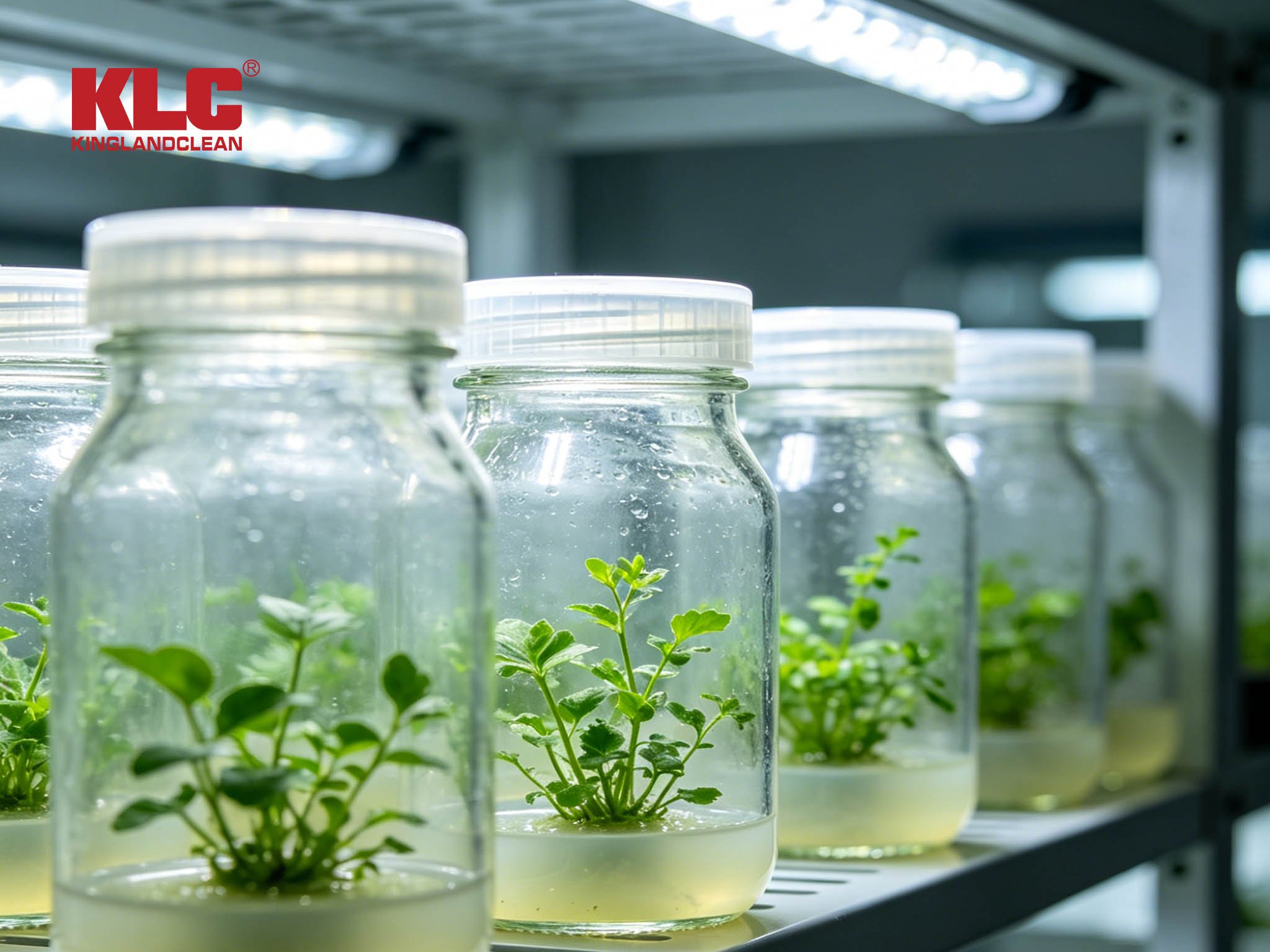
La culture de tissus végétaux offre une méthode efficace, pratique et contrôlable pour la production et la recherche végétale. Grâce à un développement technologique constant, elle est largement utilisée dans la conservation des ressources génétiques, l'amélioration des plantes, la production de métabolites secondaires végétaux et le génie génétique végétal, avec des résultats remarquables et significatifs.
La culture de tissus végétaux permet de multiplier une seule plante en des milliers, voire des dizaines de milliers de plantules. Elle autorise la production massive de clones, préserve les caractéristiques supérieures, raccourcit les cycles de production et garantit une sécurité alimentaire abondante. Elle est aujourd'hui devenue la technologie la plus active et la plus largement utilisée en biotechnologie moderne.
2.Qu'est-ce qu'un laboratoire de culture tissulaire ?
Un laboratoire de culture de tissus végétaux est une installation spécialisée dans la réalisation d'expériences de culture de tissus végétaux. Grâce aux techniques de culture de tissus végétaux, il est possible de contrôler artificiellement les conditions environnementales en laboratoire, simulant ainsi les processus de croissance des plantes dans la nature, et d'atteindre des objectifs tels que la multiplication rapide, l'amélioration variétale et la transformation génétique.
La culture de tissus végétaux est réalisée dans des conditions strictement stériles, elle nécessite donc des équipements tels que… Banc propre, balance analytique électronique, pipette de précision, autoclave, stéréomicroscope, chambre d'incubation lumineuse, incubateur biochimique, climatiseur et réfrigérateur.
Comment bien choisir un Banc propre?
Comment bien choisir un Banc propre?
A Banc propre est un appareil de purification qui offre un environnement de travail localement très propre et une grande polyvalence. Choisir un bon Banc propreIl s'agit de la première étape pour garantir des opérations stériles. Cela permet non seulement de créer un environnement stérile pour le personnel de laboratoire, mais aussi de prévenir efficacement la contamination croisée, permettant ainsi aux instruments de mieux servir de facilitateurs pour les expériences.
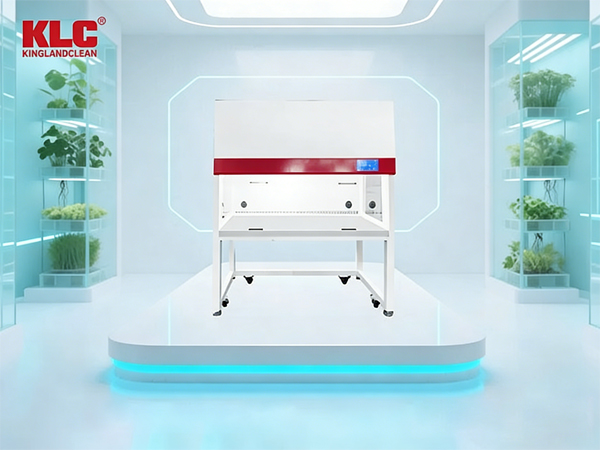
Banc proprees peut être divisé Flux horizontalet Flux verticaltypes basés sur les schémas de flux d'air. Horizontal poste de travail à flux laminaireoffrir un espace d'opération ouvert, tandis que vertica ffaibleétablisIls sont généralement équipés de vitres avant coulissantes. Les utilisateurs peuvent choisir en fonction de leurs besoins.
Des matériaux de haute qualité et une conception scientifique sont les premiers pas vers une culture stérile. Banc propreIl convient d'utiliser des plaques d'acier de haute qualité avec revêtement en poudre électrostatique, et la surface de travail doit être entièrement constituée deacier inoxydable 304La zone de travail doit être équipée d'un éclairage LED, d'un système de stérilisation UV, de prises étanches de secours intégrées et, en option, de vitres latérales pour une surveillance aisée. Des versions pour une utilisation par une ou deux personnes sont disponibles.
Créer un environnement de travail d'une propreté irréprochable et un espace propre de classe 100est la fonction principale d'un Banc propreen tant que dispositif clé pour les interventions stériles. Il devrait inclure un système intégrésystème de ventilation à débit d'air réglable, un flux d'air uniforme horizontal ou vertical et un filtre à haute efficacité en papier de fibres de verre ultra-fines, atteignant une efficacité de filtration de ≥99,99 % (@0,3 μm).
Des normes de sécurité élevées sont essentielles pour garantir la stérilité des cultures. La paillasse doit intégrer des dispositifs de protection mécanique, des interverrouillages pour l'éclairage et le système de stérilisation, et ce dernier ne peut être activé que lorsque la porte coulissante est complètement fermée. Lorsque la lampe UV est allumée, l'ouverture de la vitre frontale mobile entraîne son extinction automatique. Des interrupteurs à temporisation et des fonctions de programmation du système de stérilisation (en option) optimisent l'efficacité tout en assurant la sécurité de l'utilisateur.
Une interface conviviale est privilégiée pour les mises à niveau numériques et optimise les opérations stériles. Le contrôleur standard est équipé d'un écran LCD intégré affichant en temps réel l'état de fonctionnement de l'appareil, notamment la vitesse du vent, l'éclairage, la stérilisation et la durée de vie du filtre, et propose plusieurs alarmes sonores et visuelles pour signaler différents dysfonctionnements.



 Réseau IPv6 pris en charge