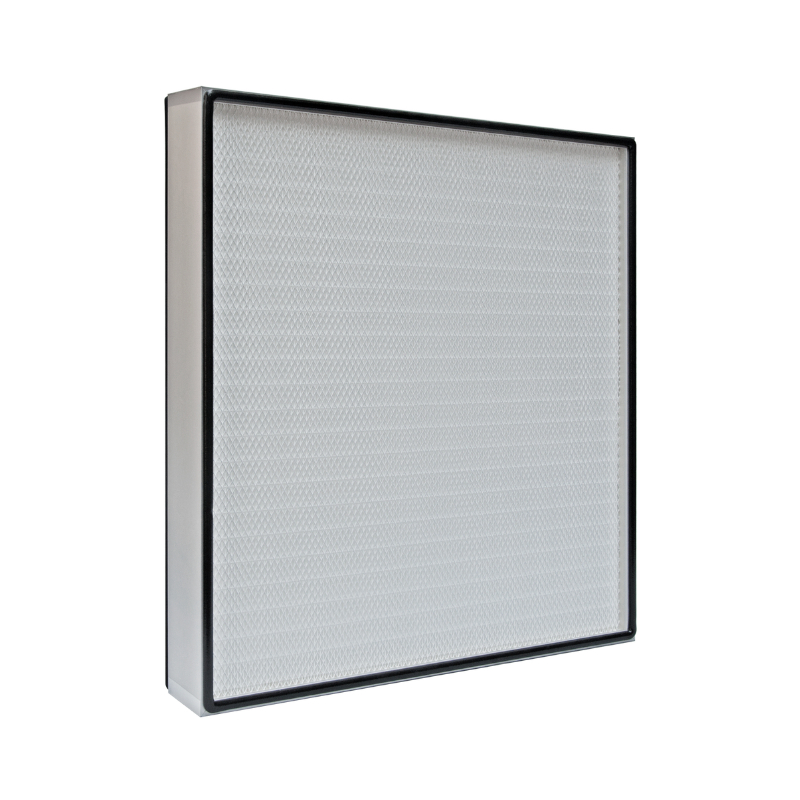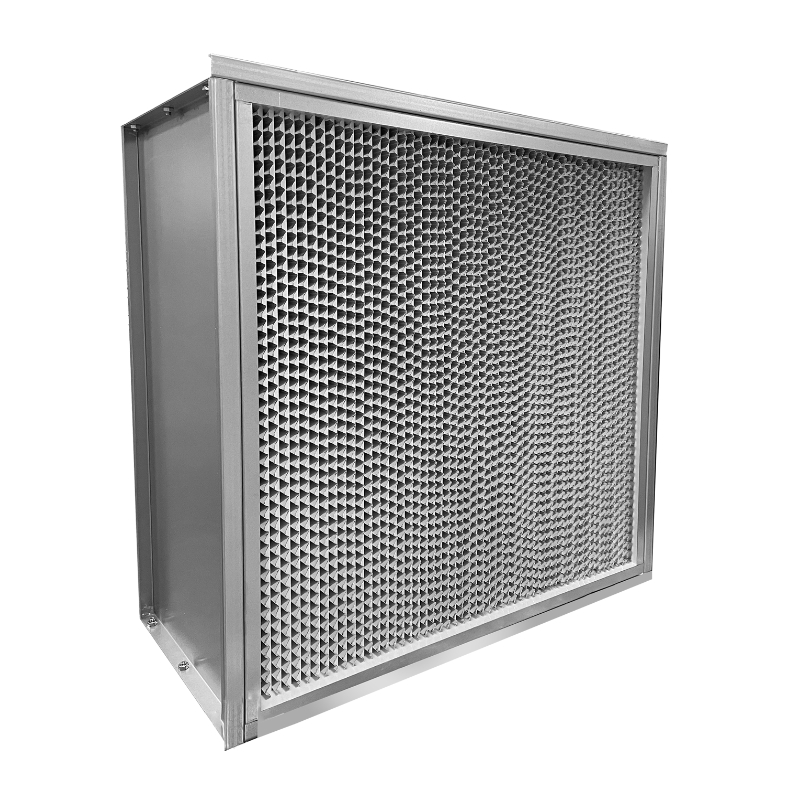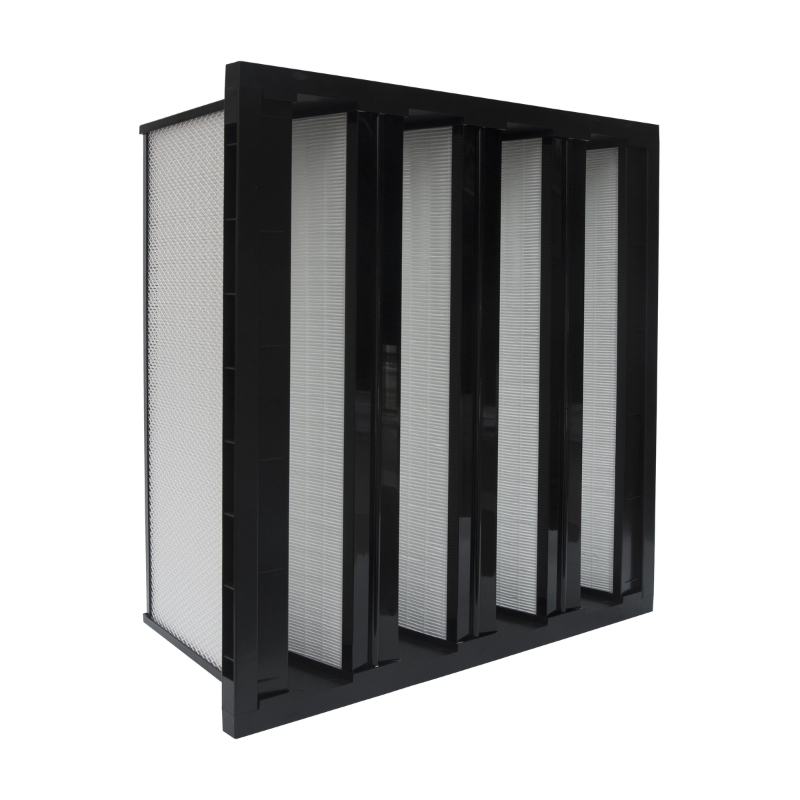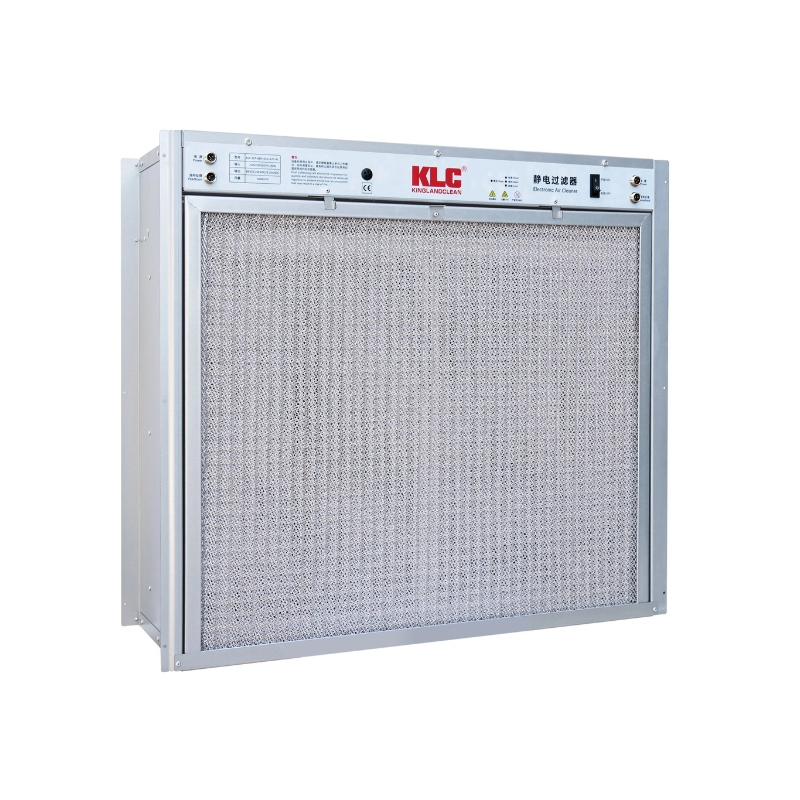
Le choix entre Unités de filtration pour ventilateurs (FFU) et Boîtes de filtres HEPA dépend de l'architecture de traitement de l'air : les FFU actives utilisent des moteurs intégrés pour aspirer et recirculer l'air localement, tandis que les boîtiers HEPA passifs s'appuient sur des unités de traitement d'air centrales (UTA) et un vaste réseau de conduits pour acheminer l'air conditionné vers les filtres terminaux.
Cet article technique aborde les principes mécaniques, les caractéristiques de fonctionnement et les complexités d'installation des unités de filtration à ventilateur actives (FFU) par rapport aux caissons de filtration HEPA passifs (caissons HEPA). Nous analysons leur impact sur CVC Ce guide s'adresse aux architectes de salles blanches, aux bureaux d'études en génie mécanique et aux responsables d'installations des secteurs des semi-conducteurs, de la pharmacie et de la santé qui doivent choisir le système de filtration terminale optimal pour la construction de nouvelles salles blanches ou la rénovation d'installations existantes. Il décrit la conception, compare les coûts du cycle de vie et présente une matrice de sélection technique structurée.
La filtration terminale constitue la dernière barrière entre le système d'alimentation en air d'une salle blanche et son environnement contrôlé. Le choix du mode de distribution et de filtration de cet air détermine l'agencement général, la charge structurelle et la consommation énergétique de l'infrastructure CVC de l'installation.
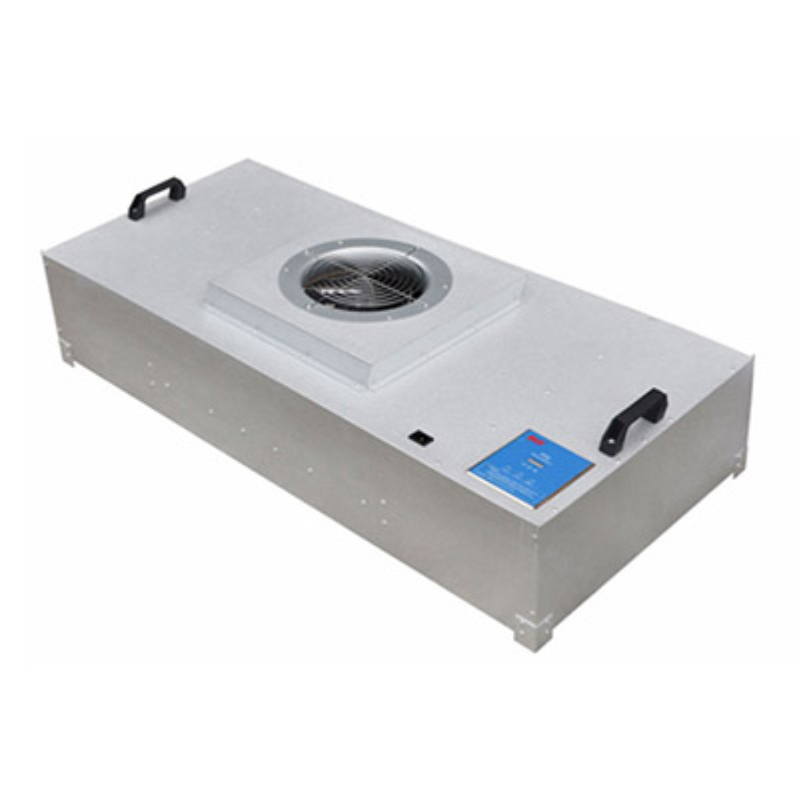
Un purificateur d'air à ventilation forcée (FFU) est un module de filtration terminal actif et autonome. Il se compose d'une turbine motorisée (ventilateur) montée directement sur un boîtier de filtre HEPA ou ULPA. - Fonctionnement : Le ventilateur intégré aspire l'air d'un plénum de plafond (souvent un plénum de recirculation) ou d'une gaine basse pression. Il pressurise l'air à l'intérieur du mini-plénum interne de l'unité et le force à traverser le média filtrant HEPA. - Impact sur le système : Chaque FFU possédant son propre mécanisme d'entraînement, l'impact sur le système externe système de traitement de l'air Le système de traitement d'air (CTA) n'a pas à compenser la perte de charge statique du filtre HEPA. Il assure uniquement l'apport d'air frais, la régulation de la température et de l'humidité, et la distribution d'air préconditionné dans le plénum de plafond.

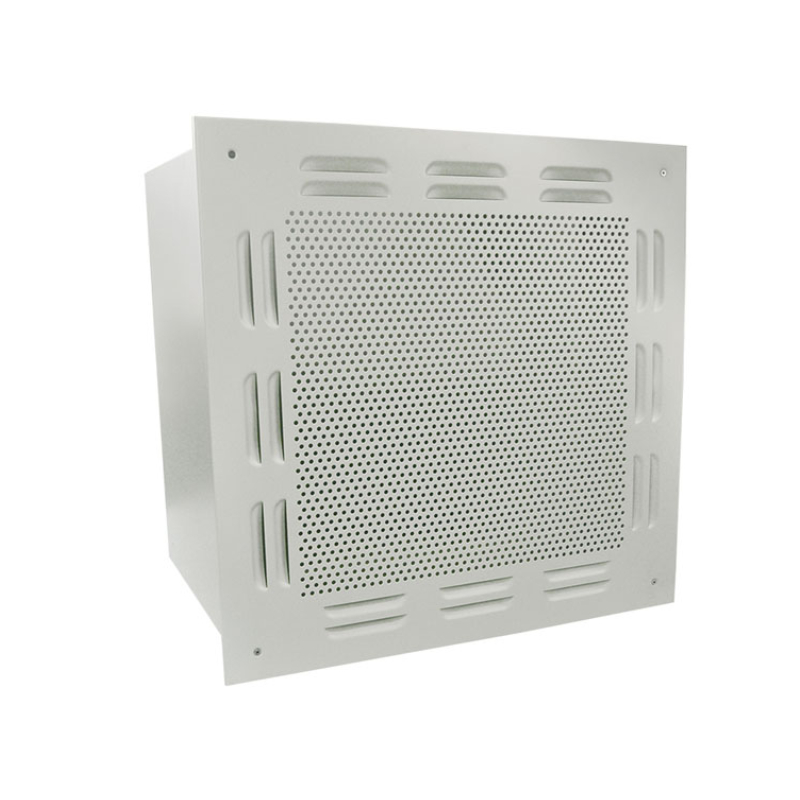
Un caisson de filtration HEPA (également appelé diffuseur terminal ou boîtier HEPA terminal) est un dispositif passif. Il ne contient aucun composant motorisé. - Fonctionnement : Le caisson HEPA reçoit de l'air préconditionné et sous haute pression provenant d'une centrale de traitement d'air (CTA) via un réseau de gaines flexibles galvanisées ou isolées. L'air est forcé à travers le filtre HEPA terminal du caisson par la pression statique générée par le puissant ventilateur d'insufflation de la CTA centrale. - Impact sur le système : La CTA centrale doit générer une pression statique suffisante pour vaincre la résistance cumulée de tous les registres, coudes, longs tronçons de gaines et du filtre HEPA terminal lui-même. Ceci nécessite des moteurs de ventilateur central de grande taille et un réseau de gaines étendu et complexe.

Le choix entre filtration active et passive des terminaux a un impact sur tous les aspects du fonctionnement d'une salle blanche, du confort acoustique à la flexibilité à long terme.
Les unités de traitement d'air (FFU) sont plus lourdes que les caissons HEPA passifs en raison de leurs moteurs et turbines intégrés. Par conséquent, la structure du plafond (barre en T ou structure renforcée pour FFU) doit être dimensionnée pour supporter ce poids statique supplémentaire. Cependant, les FFU nécessitent beaucoup moins d'espace vertical sous plafond car elles aspirent l'air directement depuis un plénum ouvert. Les caissons HEPA, bien que plus légers, requièrent un dégagement vertical important dans le faux plafond pour le passage des conduits et l'installation des registres de réglage manuel du débit.
Les unités de filtration frontale (FFU) étant équipées de moteurs individuels, leur présence en grand nombre dans une salle blanche peut engendrer des bruits et des vibrations localisés. Ce problème est particulièrement critique dans les usines de fabrication de semi-conducteurs submicroniques (où les équipements de photolithographie sont sensibles aux micro-vibrations) et les laboratoires de recherche. Les FFU modernes y remédient grâce à l'utilisation de turbines motorisées à équilibrage de précision et de supports anti-vibrations. Les caissons HEPA passifs ne génèrent aucune vibration localisée, car ils ne comportent aucune pièce mobile. Cependant, dans les systèmes passifs, l'air circulant à grande vitesse dans les coudes et les registres des conduits peut générer des bruits acoustiques haute fréquence en cas d'isolation insuffisante.
L'équilibrage d'une salle blanche équipée de caissons HEPA passifs nécessite le réglage manuel des registres de débit dans le plénum du plafond, une opération fastidieuse et itérative. Le réglage d'un seul registre HEPA entraîne une variation de pression, affectant le flux d'air dans tous les autres caissons. Les unités de filtration frontale (FFU), notamment lorsqu'elles sont équipées de moteurs à commutation électronique (EC), peuvent être intégrées à un système de contrôle numérique de groupe (via RS485 ou Modbus). Les techniciens peuvent ainsi ajuster la vitesse de l'air de chaque unité ou groupe depuis un ordinateur central, et les moteurs adaptent automatiquement leur vitesse pour maintenir un flux d'air uniforme à mesure que les filtres se chargent.
Paramètres opérationnels et techniques | Unité de filtration du ventilateur (FFU) - Active | Boîtier de filtre HEPA - Passif |
Mécanisme d'entraînement | Moteur et hélice intégrés (actifs). | Aucun ; dépend du ventilateur central de la CTA (passif). |
Méthode d'alimentation en air | Aspire l'air du plénum de plafond à recirculation ou d'un conduit basse pression. | Alimenté par des conduites secondaires à haute pression. |
Charge structurelle du plafond | Élevé (~20 à 35 kg par unité 4x2). | Faible (~8 à 15 kg par unité). |
Exigences en matière de conduits | Minimal (souvent nul, si l'on utilise un plénum de reprise d'air). | Élevé (réseau de conduits ramifiés étendu). |
Équilibrage du flux d'air | Numérique/automatisé via la commande du groupe moteur EC. | Réglage manuel des registres de contrôle du volume. |
Exigences relatives à la hauteur sous plafond | Faible (aspiration à partir d'un plénum ouvert ; profils minces disponibles). | Élevé (nécessite de l'espace pour les coudes de conduits et les registres). |
Niveau de bruit localisé | 52 à 58 dB(A) par unité (cumulatif dans les grands réseaux). | Extrêmement faible (limité au bruit du conduit de sortie d'air). |
Caractéristiques vibratoires | Micro-vibrations faibles et localisées (équilibre moteur critique). | Aucune vibration liée à l'équipement. |
Investissement initial en capital | Élevée (en raison des centaines d'unités motorisées et de contrôleurs). | Modéré (coût unitaire inférieur, compensé par les coûts de conduits). |
Flexibilité opérationnelle | Extrêmement élevé (modulaire, prêt à l'emploi ; évolutif). | Faible (nécessite une réduction et un rééquilibrage à l'échelle). |
Les procédures d'installation des systèmes actifs et passifs diffèrent considérablement :
•Installation des unités de traitement d'air (FFU) : Les systèmes FFU sont hautement modulaires. Les unités sont installées dans la grille du plafond, côté pièce ou côté plénum, et branchées sur une prise d'alimentation locale. L'installation est rapide grâce à l'absence ou au minimum de raccordements aux conduits. Lors de la mise en service, la vitesse de l'air est ajustée numériquement.
•Installation des caissons HEPA : L’installation de caissons HEPA passifs est une opération complexe. Chaque caisson doit être suspendu à la dalle porteuse du bâtiment à l’aide de tiges filetées, puis raccordé à la gaine d’alimentation principale par des colliers flexibles ou rigides. L’équilibrage du flux d’air nécessite l’intervention de techniciens qui doivent monter en hauteur et ajuster manuellement les registres tout en effectuant des mesures de vitesse d’air sous une hotte aspirante. Cette opération peut prendre plusieurs jours, voire des semaines, pour les grandes salles blanches.
L’évaluation du coût réel de la filtration terminale nécessite l’analyse à la fois des dépenses d’investissement initiales (CAPEX) et des dépenses d’exploitation courantes (OPEX).
•Considérations relatives aux dépenses d'investissement : Les caissons HEPA passifs ont un prix unitaire initial inférieur à celui des unités de traitement d'air (UTA). Cependant, si l'on tient compte du coût des conduits isolés, des registres de régulation de débit et des moteurs plus puissants nécessaires à la centrale de traitement d'air, l'écart de coût d'investissement entre les deux systèmes se réduit considérablement.
•Considérations relatives aux coûts d'exploitation : Les unités de ventilation équipées de moteurs EC à haut rendement énergétique permettent de réduire les coûts d'exploitation. Grâce au plénum de plafond qui constitue un chemin de faible résistance, la pression statique totale que le système de climatisation doit surmonter est considérablement réduite, ce qui se traduit par une consommation d'énergie globale du ventilateur plus faible.
•Maintenance : Les unités HEPA passives nécessitent une maintenance minimale, car elles ne comportent aucune pièce mécanique susceptible de tomber en panne ; seul le filtre HEPA doit être remplacé. Les unités de filtration d’air (FFU) nécessitent une inspection périodique des moteurs, bien que les moteurs EC sans balais modernes aient une durée de vie des roulements supérieure à 50 000 à 100 000 heures de fonctionnement continu.
Catégorie de coûts et d'opérations | Unité de filtration du ventilateur (FFU) | Boîtier de filtre HEPA (passif) |
main-d'œuvre pour le remplacement du filtre | Faible à modérée (facile à inverser depuis la chambre). | Faible à modérée (facile à inverser depuis la chambre). |
Entretien des moteurs et des ventilateurs | Inspection/remplacement périodique du moteur (longue durée de vie des roulements). | Maintenance nulle des terminaux ; maintenance uniquement de la centrale de traitement d'air. |
Efficacité énergétique du système | Élevée (les moteurs EC fonctionnent avec une efficacité optimale ; faibles pertes dans les conduits). | Faibles à modérées (pertes de pression statique élevées dans les conduits). |
Nettoyage et inspection des conduits | Négligeable (système de plénum à plafond ouvert). | Élevé (nécessite une inspection périodique des conduits de ramification). |
Coût de modification des installations | Extrêmement faible (il suffit d'ajouter ou de déplacer des modules dans la grille). | Élevé (nécessite une réingénierie des conduits et un équilibrage). |
Dans la conception moderne des salles blanches, les ingénieurs ne considèrent pas toujours les unités de filtration frontale (FFU) et les boîtes HEPA comme incompatibles. Des configurations hybrides sont fréquemment utilisées pour optimiser les performances et le budget.
Agencement par classes imbriquées : Dans un grand hall de conditionnement pharmaceutique de classe ISO 7, certaines zones (comme la ligne de remplissage ou les zones de manutention des contenants ouverts) doivent répondre aux normes de classe ISO 5. Plutôt que de moderniser l’ensemble du hall avec un système de filtration FFU, les concepteurs installent des caissons HEPA passifs pour la zone générale de classe ISO 7 et suspendent une série de FFU actifs directement au-dessus de la ligne de remplissage critique afin de créer une zone de flux laminaire localisée de classe ISO 5.
Système hybride de pressurisation du plénum : Dans certaines salles blanches, une centrale de traitement d’air alimente un plénum de plafond étanche en air préconditionné, le maintenant sous une légère surpression. Des unités de filtration actives aspirent ensuite l’air de ce plénum pressurisé et le filtrent pour l’injecter dans la salle. Ceci réduit la charge des moteurs des unités de filtration et garantit un flux descendant parfaitement uniforme.
KLC International propose des solutions de haute qualité pour la filtration active et passive des terminaux de salles blanches, permettant aux ingénieurs de choisir la meilleure configuration pour leur application.
•Unités de ventilation et de filtration KLC (FFU) : Les FFU KLC sont équipées de moteurs EC sans balais haute performance qui permettent de réaliser jusqu’à 50 % d’économies d’énergie par rapport aux unités de climatisation classiques. Elles fonctionnent silencieusement (≤ 53 dB(A) pour les modèles standard) et sont dotées d’une interface de contrôle de groupe RS485, permettant à un seul terminal de gérer jusqu’à 7 900 unités. Leur conception compacte (moins de 250 mm de hauteur) est idéale pour les bâtiments disposant de plafonds hauts étroits.
•Boîtiers de filtration HEPA terminaux KLC : les boîtiers HEPA passifs KLC sont fabriqués en acier laminé à froid avec revêtement en poudre électrostatique ou en acier inoxydable SS304 de haute qualité. Ils sont dotés de clapets mécaniques étanches intégrés, de grilles à joint en gel liquide à bords tranchants pour une validation zéro fuite et de ports de test côté pièce à connexion rapide pour des tests PAO/DOP efficaces.
Dans les salles blanches de moyenne et grande taille, les systèmes FFU équipés de moteurs EC sont généralement plus économes en énergie. Les caissons HEPA passifs nécessitent que la centrale de traitement d'air (CTA) fasse circuler l'air à travers de longs réseaux de conduits à forte résistance, ce qui entraîne d'importantes pertes de pression statique. Les FFU s'affranchissent de ces pertes en aspirant l'air d'un plénum ouvert et en le filtrant localement, permettant ainsi à la CTA centrale de fonctionner à des pressions statiques bien plus faibles.
Oui. Le passage des caissons HEPA passifs aux unités de filtration actives (FFU) est une stratégie de modernisation courante pour les salles blanches nécessitant une amélioration de leur niveau de propreté (par exemple, de l'ISO 7 à l'ISO 5). Les FFU s'intégrant directement dans les faux plafonds standard, il est possible de retirer les caissons passifs, de modifier ou de déconnecter les conduits et d'installer des modules FFU motorisés sans avoir à modifier la structure du plafond.
Un seul caisson HEPA passif est totalement silencieux. Une seule unité de filtration frontale (FFU) fonctionne à un niveau sonore de 52 à 58 dB(A). Cependant, dans les grands ensembles, le chevauchement acoustique de centaines de FFU doit être géré. Les conceptions modernes des moteurs EC et les chicanes acoustiques des FFU KLC minimisent ce chevauchement, maintenant ainsi le bruit de fond cumulé de la salle blanche bien en deçà des normes internationales (généralement ≤ 60 à 65 dB(A) pour les salles blanches en fonctionnement).
Les unités de commande de fluides (FFU) de haute qualité, comme celles de KLC, utilisent des moteurs EC sans balais avec roulements à billes autolubrifiants. Ces moteurs ont une durée de vie de 50 000 à 100 000 heures, ce qui correspond à environ 6 à 11 ans de fonctionnement continu 24 h/24 et 7 j/7 avant de nécessiter le remplacement des roulements ou du moteur.
Les caissons HEPA passifs nécessitent généralement un dégagement vertical d'au moins 600 à 800 mm pour les coudes de conduits et les registres manuels. Les unités de traitement d'air actives (FFU) peuvent fonctionner dans des plénums avec un dégagement minimal de 300 à 400 mm, ce qui en fait le choix idéal pour les rénovations dans les bâtiments à faible hauteur sous plafond.
Les unités de filtration actives (FFU) qui recyclent l'air dans un plénum de plafond ouvert ne sont pas recommandées pour les salles blanches manipulant des produits chimiques hautement toxiques ou volatils, sauf si le plénum est entièrement gainé et fonctionne en dépression. Pour les applications impliquant des substances toxiques, les caissons HEPA passifs gainés sont souvent privilégiés afin de garantir le transport sécurisé des vapeurs dangereuses directement vers le système de traitement d'air (CTA) ou les épurateurs de charbon actif.
Les moteurs EC (à commutation électronique) allient l'absence d'entretien des moteurs à induction AC aux avantages de la régulation de vitesse des moteurs DC. Ils sont jusqu'à 40 à 50 % plus efficaces énergétiquement que les moteurs AC, fonctionnent à une température plus basse, produisent moins de vibrations et peuvent être contrôlés numériquement via un réseau RS485 pour des ajustements de vitesse automatisés.
Pour un boîtier HEPA passif, l'aérosol PAO est injecté dans le conduit d'alimentation principal en amont du boîtier. Les techniciens utilisent ensuite l'orifice de test situé côté pièce sur le diffuseur du boîtier pour mesurer la concentration d'aérosol en amont avant d'utiliser une sonde photométrique pour vérifier l'étanchéité de la surface du filtre HEPA.
Oui. Dans une salle blanche à « plénum de reprise », l'air est aspiré par des grilles au niveau du sol, remonte par des conduits latéraux et pénètre dans un plénum ouvert au plafond. Les unités de traitement d'air (FFU) aspirent l'air directement de ce plénum et le refoulent dans la salle blanche, éliminant ainsi tout réseau de gaines d'alimentation.
Les systèmes de contrôle des unités de traitement d'air (FFU) de KLC utilisent des lignes de communication RS485 reliées à un terminal de contrôle central ou à un automate programmable. Cela permet aux responsables d'installations de surveiller, de régler et de programmer jusqu'à des milliers d'unités FFU individuelles. Le logiciel fournit un retour d'information en temps réel sur l'état du moteur, la vitesse de rotation et la durée de fonctionnement, et envoie des alertes immédiates en cas de panne électrique ou mécanique d'une unité.
Le choix entre les unités de filtration actives et les caissons de filtration HEPA passifs doit être guidé par la classe de votre salle blanche, vos besoins de flexibilité à long terme et les contraintes d'espace sous plafond. Pour les grandes salles blanches de haute qualité (ISO 5 et plus) ou les installations où la flexibilité d'agencement est essentielle, les systèmes de filtration actives sont la norme. Pour les salles blanches de classe inférieure (ISO 7-8) avec des budgets initiaux limités et des exigences de fonctionnement silencieux, les caissons HEPA passifs sont très efficaces.
Que vous optiez pour une filtration terminale active ou passive, KLC International fournit des équipements certifiés à la pointe de l'industrie, conçus pour répondre aux spécifications de votre projet. VisitezKLC À l'international, découvrez notre gamme complète de FFU haute efficacité et de boîtiers HEPA terminaux et connectez-vous avec nos experts en applications CVC.



 Réseau IPv6 pris en charge