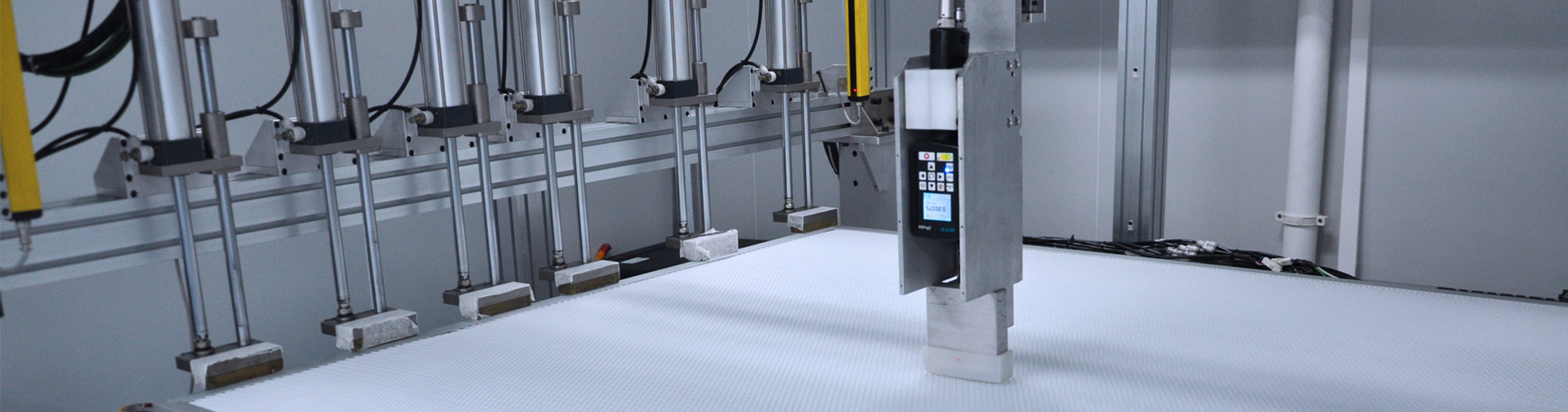
En matière de fabrication de batteries au lithium, l'environnement de production est réputé pour être extrêmement difficile. En tant qu'ingénieur ou responsable d'installations, vous savez que l'air dans un tel environnement est particulièrement hostile. usine de batteries au lithium Ce n'est pas seulement poussiéreux, c'est rempli de vapeurs d'électrolytes corrosives et de particules de poussière potentiellement explosives.
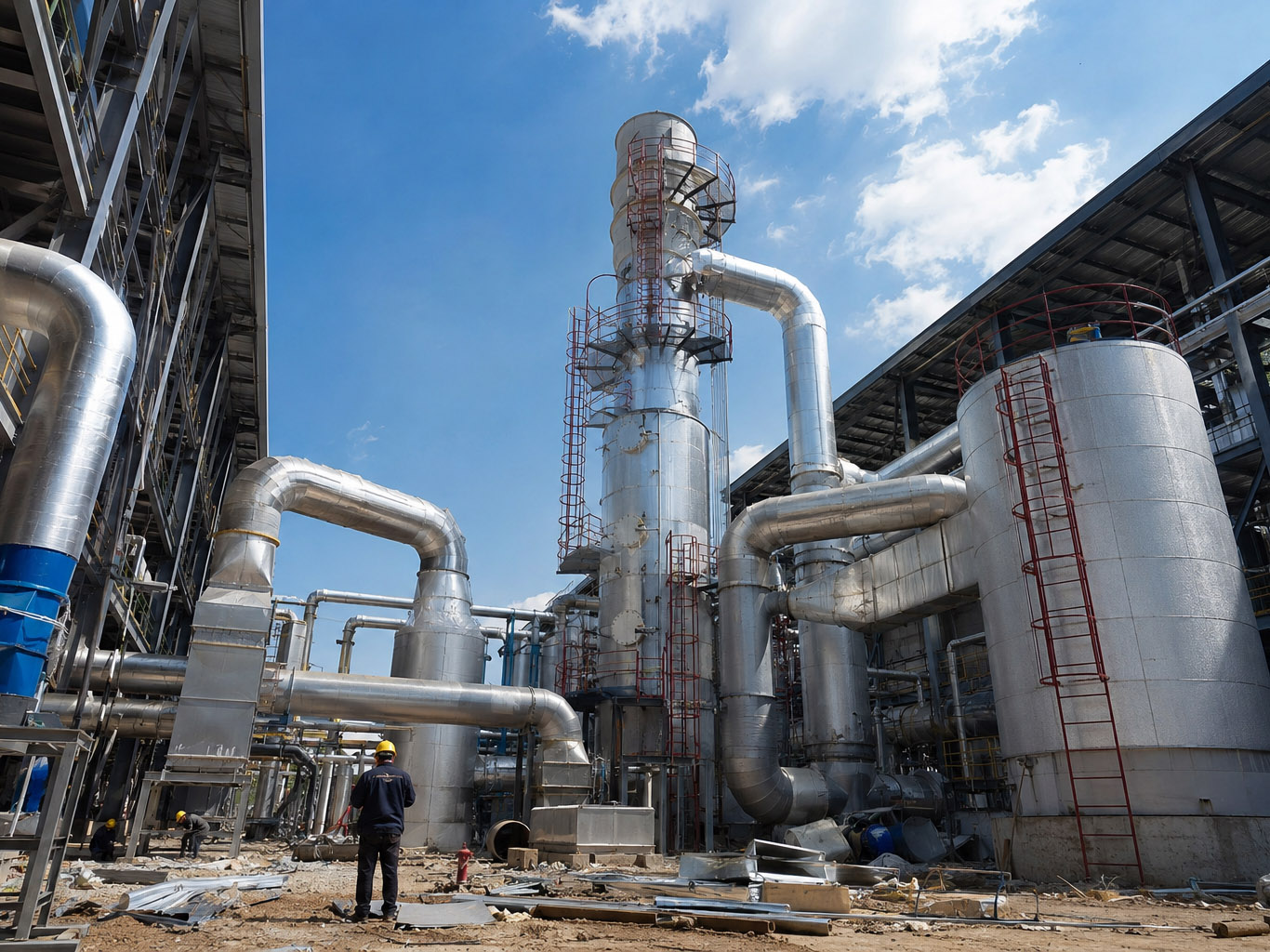
Alors, pourquoi les exigences pour anticorrosion et antidéflagrant L'équipement est-il si cher dans ce secteur ? En clair, les unités de climatisation et de filtration standard tombent rapidement en panne, ce qui entraîne contamination et risques pour la sécurité. Pour maintenir un salle blanche Dans un environnement conforme aux normes de sécurité et de qualité, vous avez besoin d'équipements spécialisés conçus pour gérer filtration chimique et haute température conditions.
Voici une analyse approfondie des défis et solutions spécifiques pour usine de batteries au lithium systèmes d'air.
1. L'ennemi silencieux : les gaz corrosifs lors de la préparation des électrolytes
L'un des plus grands défis dans une usine de batteries est le préparation électrolytique zone. Les produits chimiques utilisés ici dégagent des vapeurs qui peuvent corroder les composants métalliques standard et les supports de filtration. Si votre équipement n'est pas conçu pour résister à cela. filtration chimique En cas de forte demande, vous serez confronté à des pannes fréquentes et à des contaminations.
Pour lutter contre ce problème, vous devez rechercher des spécifications de matériaux spécifiques dans vos unités de traitement d'air (UTA) et FFU (unité de filtration du ventilateur).
2. Le risque d'étincelles : pourquoi la conception antidéflagrante est non négociable
La poussière de lithium est hautement inflammable. Dans un espace confiné salle blanche Dans l'espace, une simple étincelle provenant d'un moteur de ventilateur standard ou une décharge électrostatique peut entraîner une catastrophe. antidéflagrant incident. Par conséquent, chaque équipement doit être certifié pour prévenir toute inflammation.
Lors de l'achat d'équipement, portez une attention particulière aux composants électriques et à la conception du boîtier.
3. Filtration de précision : Protection des batteries contre les micro-contaminants
Si la sécurité est primordiale, la qualité des produits est tout aussi essentielle. Même des particules métalliques microscopiques ou filtre à air au charbon actif La poussière peut provoquer des courts-circuits internes dans une cellule de batterie. C'est là que la haute précision intervient. HEPA filtre et ULPA filtre La technologie entre en jeu.
L'objectif est d'atteindre un faible chute de pression tout en maintenant une efficacité élevée pour économiser l'énergie sans sacrifier la qualité de l'air.
Cconclusion
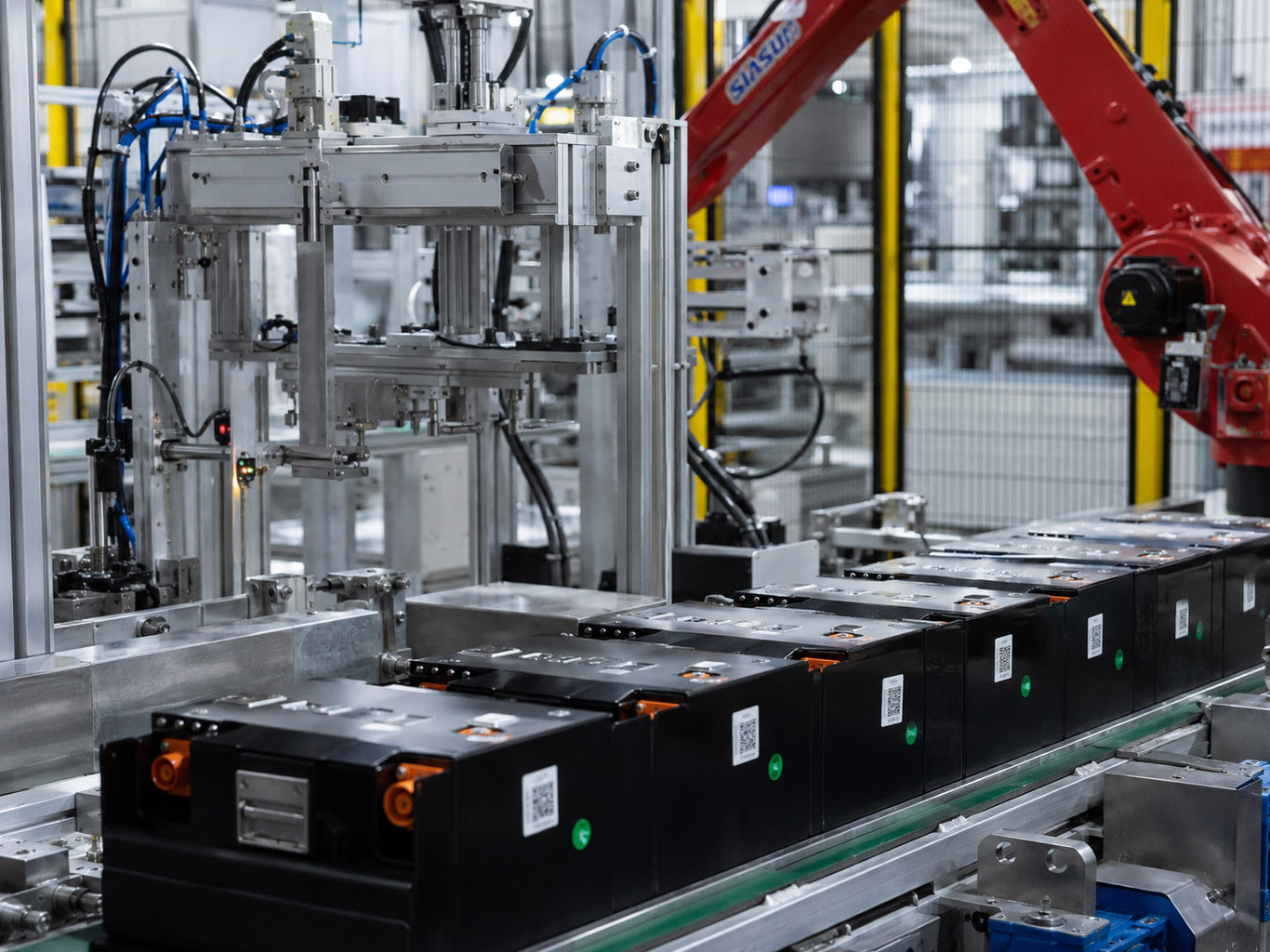
Oéquipement d'un usine de batteries au lithium nécessite un changement de mentalité par rapport aux pratiques standard des salles blanches. En se concentrant sur acier inoxydable construction, antidéflagrant certification, et pli profond Grâce à une filtration haute performance, vous pouvez créer un environnement de production sûr, fiable et exempt de contamination.



 Réseau IPv6 pris en charge